Hadriana: A Handwritten Font That Brings Your Craft to Life
My workspace was scattered with proofs: a few freshly cut candle labels on kraft paper, a test print of a sticker sheet on my desk, and a mockup of a wedding invitation on my screen. I was searching for that final touch—the text that would whisper “handmade” rather than shout it. That’s when I found Hadriana.
The Personal Touch of a Cute Handwritten Font
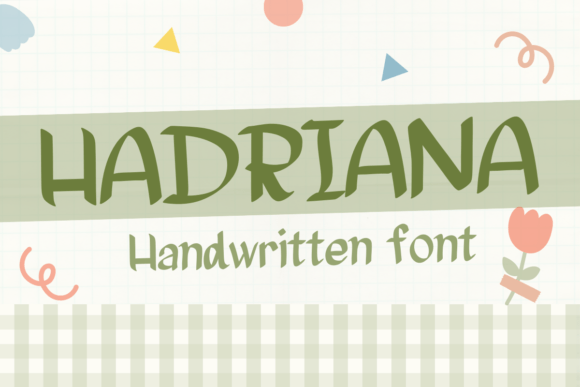
Hadriana is more than just a script font. It’s a typeface with a gentle, approachable personality. Its charm lies in its natural, slightly irregular flow—it feels authentically handwritten, not stiff or overly perfect. The letters carry a warm, friendly mood, perfect for projects that need to feel personal and crafted. Its overall style is soft and creative, making it ideal for designs that aim to connect on an emotional level, whether that’s through a heartfelt card or the label on a carefully made product.
Where Hadriana Finds Its Home
From that first candle label, I began seeing Hadriana everywhere in my shop.
- Labels & Packaging: It transformed simple jar labels for honey, soap, and candles, giving them a boutique, artisanal feel.
- Greeting Cards & Invitations: For birthday cards, thank-you notes, and especially wedding stationery, Hadriana adds a delicate, celebratory flourish.
- Wall Art & Printables: In digital downloads like inspirational quotes or seasonal calendar pages, the font makes the design feel like a personalized gift.
- Product Tags & Signs: On small hang tags for knitted goods or on a painted “Welcome” board for a market stall, it reads clearly yet retains its handmade charm.
- Merchandise & Seasonal Crafts: I’ve used it for text on mockups for mugs, tote bags, and holiday gift tags—it adapts beautifully to different mediums.
- Shop Branding: Even in my shop logo and social media graphics, Hadriana provides a consistent, recognizable voice.
How a Font Shapes Your Product’s Story
Choosing Hadriana isn’t just about aesthetics; it’s about communication. On a product label, it elevates the perceived quality, suggesting care and attention. For brand consistency, using it across your packaging, cards, and online presence helps customers instantly recognize your style. Its emotional appeal is its greatest asset—it can make a wedding invitation feel more intimate or a wall art printable feel like a cozy message. This engagement is crucial for makers; our products often tell a story, and Hadriana is a wonderful narrator.
Practical Uses: Short Phrases and Decorative Wording
Hadriana shines as a display font. It’s perfect for short phrases, names, titles, and decorative wording. Think “Freshly Brewed” on a coffee bag label, “The Smith Wedding” on an invitation suite, or “Garden Harvest” on a jar of preserves. It can handle longer text for things like short poems on wall art or product descriptions on tags, but its true strength is in those key, impactful words that draw the eye and set the tone. For longer paragraphs, pairing it with a simpler font is a better approach for readability.
Real Maker Moments with Hadriana
Last autumn, I designed a series of printable pumpkin carving stencils. The title on each sheet used Hadriana, and it instantly made the digital files feel more whimsical and festive. For a spring market, I created simple “Bee Happy” tags for my honey jars. Printed small, the font remained legible and added just the right touch of sweetness. When mocking up a baby shower invitation, using Hadriana for the baby’s name created a focal point that felt tender and special.
Readability and Production Considerations
When using Hadriana for physical products, a few practical notes are essential. For cutting machines like Cricut or Silhouette, ensure the text is large enough for the machine to read the clean outlines—test on scrap material first. On small stickers or product labels, avoid overly tiny sizes; the font’s delicate details need space to breathe. In printed cards or mockup previews for your online listings, always print a test at 100% scale to check the final impression. On physical merchandise like shirts or mugs, consider how the ink or vinyl will render the finer curves.
Finding the Right Companions for Hadriana
While Hadriana is beautiful alone, it often works best with a supporting font. For balance, I pair it with a clean, simple sans serif font for any necessary body text—like details on an invitation or instructions on a printable. This keeps everything readable and lets Hadriana stand out as the decorative element. Occasionally, for a very cohesive handwritten look, I might use it with another simple script font for subtle variation, but usually, a bold display font or a classic serif can create a lovely contrast that highlights Hadriana’s softness.
Before You Sell: Checking Your Font License
If you’re creating physical products, templates, printables, or digital downloads to sell, always verify the commercial license of your font. For Hadriana, confirm the included styles, alternates, ligatures, and supported file formats. Check for multilingual support if your market is broad. Knowing your license covers commercial use for merchandise and digital sales is a fundamental step for any serious maker. It protects your business and respects the designer’s work.
That initial candle label mockup wasn’t just a test; it was the beginning of a design voice for my shop. Hadriana, with its cute handwritten charm, continues to be the typeface I reach for when I want my work to feel personal, crafted, and warmly inviting. It’s not just a font in a menu; it’s a tool that helps translate the care in my hands into the text on my products.