Redline: The Script Font for Creative Hands & Handmade Products
The quiet hum of my printer has become a comforting soundtrack. It’s a sound I associate with turning digital ideas into physical things, a bridge between my screen and the real world. Today, I’m printing a new batch of mockups for my candle labels. I’ve been searching for a font that feels special, not just functional—one that whispers rather than shouts. That search ended when I found Redline. As the first label slid out, with the words “Wildflower Meadow” rendered in its elegant, flowing script, I knew I’d found that voice.
The Vintage Charm of Redline
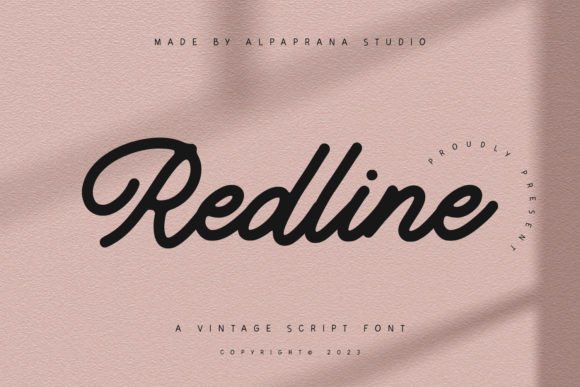
Redline is a script font with a distinctly vintage, retro soul. It doesn’t feel stiff or overly formal; instead, it carries a lovely, relaxed elegance. The letters flow together with a natural rhythm, each character connecting with a gentle, deliberate grace. This isn’t a frantic, hurried handwriting. It’s the careful, considered script you might find in a cherished old letter or on a classic shop sign—full of personality and timeless appeal. For makers, this visual charm is a direct infusion of character into our products. It adds a layer of perceived craftsmanship and care before a customer even touches the item.
Bringing Redline to Life on Your Products
The moment you start typing with Redline, possibilities unfold. Its style is versatile enough to elevate a wide range of creations, from the tactile to the digital.
For physical products, I’ve found it shines on anything where a touch of personality is key. It’s perfect for candle labels and product tags, giving a boutique, artisanal feel instantly. On greeting cards and wedding invitations, it brings warmth and sincerity, beautifully handling names, dates, and short heartfelt phrases. Imagine it on a wedding welcome board or the header of a bridal shower planner—it creates an atmosphere of celebration.
For home decor and wearables, Redline translates beautifully. On mockups for printed tote bags or tea towels, a simple phrase like “Gather” or “Homegrown” feels instantly more meaningful. For wall art printables and farmhouse-style signs, it offers that editorial, curated look that customers love. It also works wonderfully for seasonal designs, like holiday gift tags or spring-themed planner stickers, where its retro flair adds a unique twist.
In the digital space, Redline is a powerful asset for branding. Using it consistently in your shop logo, social media graphics, and product listing images builds a cohesive, recognizable brand identity. It’s especially effective on digital download previews and template covers, where the font itself becomes a selling point, suggesting the quality and style of the design inside.
A Note on Readability & Practical Use
Redline is a display font, best used for headlines, titles, names, and short decorative wording. It’s ideal for product names on labels, main sentiments on cards, and key phrases on signs. For longer body text, like instructions on a tag or the full details on an invitation, pairing it with a clean, simple sans serif font is the way to go. This combination lets Redline’s beauty shine while ensuring all information is perfectly clear.
When working with cutting machines like Cricut or Silhouette for stickers or vinyl, ensure you convert the text to a path or outline. This guarantees the intricate connections between the letters are maintained perfectly. For small items like mini stickers, test the readability at your intended size—sometimes simplifying a phrase or using a single word in Redline makes a more impactful and legible design.
Crafting a Cohesive Look with Font Pairing
Redline’s vintage script style pairs wonderfully with fonts that offer stability and clarity. A minimalist sans serif is my go-to for supporting text. This pairing creates a beautiful hierarchy: Redline draws the eye and sets the mood, while the sans serif delivers the details cleanly. For a more classic, editorial feel, a simple serif font can also work well. The key is to let Redline be the star for your primary message and use its partner for everything else, creating a balanced and professional design.
Essential Details for Commercial Makers
Before using any font for physical products, templates, or digital downloads you intend to sell, checking its licensing is a crucial step. Most premium fonts like Redline include a commercial license, allowing you to use them on products for sale. Always confirm this in the font’s documentation.
Also, explore the font files thoroughly. Many quality script fonts include alternates, ligatures, and swashes—special character variations that add even more uniqueness to your designs. These can be perfect for customizing a logo design or making a name on an invitation feel extra special. Check for the file formats you need, such as OTF or TTF, and see if it supports the multilingual characters your projects might require.
Using a font like Redline isn’t just about typing words; it’s about choosing a tone. It affects how your product is perceived, the emotional connection it makes, and the consistency of your brand identity. When a customer sees that same elegant script on your product label, your Instagram post, and your packaging, it builds trust and recognition. It tells them that thought went into every detail.
The Final Print
Back at my desk, the mockups are dry. I hold one of the candle labels, the Redline script crisp and clear against the paper. It feels right. It looks like the care I put into making the candles themselves is echoed in the very words used to present them. That’s the power of a well-chosen typeface: it becomes an invisible craft, a silent partner in telling your product’s story. For any maker looking to infuse their work with a touch of vintage charm and handcrafted elegance, Redline offers a beautiful, ready-made voice.